


Perzix Daily Market Capsule: When Headlines Lose Their Pricing Power
The market did not lack direction this week—it lacked conviction. Prices swung sharply between relief and risk as ceasefire hopes emerged and then quickly deteriorated, but each move felt increasingly fragile.
Quick Take: Markets are still reacting to geopolitical headlines, but the growing inconsistency of those signals is reducing their credibility and weakening their lasting impact on asset prices.
What Happened Today
Global markets reversed earlier optimism as doubts grew around a fragile US-Iran ceasefire narrative. Oil rebounded after a sharp prior drop, while equity futures softened and major technology names traded lower in premarket activity.
The sequence itself was familiar: ceasefire optimism triggered a risk-on move, energy prices fell, and equities rallied. But the follow-through was short-lived. As conflicting signals emerged, oil regained ground and equities slipped back, highlighting how quickly sentiment is shifting.
This is not simply volatility—it is inconsistency. The same macro driver is producing opposing price reactions within days, sometimes hours, without a stable trend taking hold.
Politics Into Prices
The core political variable is not just the Middle East situation itself, but the credibility of communication around it. Markets price probabilities, not headlines. When political messaging becomes fragmented—ceasefire signals one day, escalation fears the next—the probability distribution widens.
That widening feeds directly into energy markets first. Oil reacts to perceived supply disruption risk, which then transmits into inflation expectations, rate sensitivity, and equity valuations. When oil drops sharply on peace signals, it compresses inflation expectations and supports risk assets. When it rebounds on renewed uncertainty, that transmission reverses.
But the key shift now is that each new political signal carries less authority. Traders are increasingly discounting initial headlines, waiting for confirmation rather than reacting with full conviction.
Why It Matters
Markets function best when information is not just available, but reliable. What we are seeing now is a subtle transition from “headline-driven markets” to “confirmation-driven markets.”
This matters because it changes the speed and durability of price moves. In earlier phases of geopolitical tension, a single headline could drive sustained trends. Now, moves are sharper but shorter, as participants question whether the information will hold.
The result is a market that appears reactive but is actually hesitant underneath. That hesitation reduces trend persistence, increases intraday reversals, and makes positioning more tactical than directional.
For readers of Perzix, this is a reminder that the information environment itself is becoming a variable in market behavior—not just the events being reported.
Business / Investor Lesson
In environments like this, the risk is not being wrong on direction—it is overcommitting to unstable narratives.
Executives and investors should recognize that when signals lack credibility, flexibility becomes more valuable than conviction. This applies across decisions: inventory planning, energy hedging, capital deployment, and portfolio positioning.
For businesses exposed to energy or input costs, reacting aggressively to short-term price drops may prove costly if those moves reverse quickly. For investors, chasing headline-driven rallies or selloffs without confirmation increases the probability of being caught in whipsaws.
The practical adjustment is simple but difficult: shorten decision horizons without abandoning discipline. In other words, act—but size positions and commitments with the expectation that the narrative may change quickly.
Term / Trend Focus
Policy Credibility Discount
This term describes how markets reduce the weight they assign to political or policy signals when those signals become inconsistent or unreliable.
In a high-credibility environment, a single announcement—such as a ceasefire—can trigger sustained repricing because participants trust its durability. In a low-credibility environment, the same announcement produces only temporary moves, as traders assume it may be reversed or contradicted.
The current market is increasingly applying a credibility discount to geopolitical headlines. That does not eliminate volatility—it compresses the lifespan of each move.
Market Snapshot
Equities are struggling to maintain direction, with technology names showing weakness as risk appetite fades after initial optimism. Oil has become the most sensitive barometer, reversing sharply as ceasefire doubts reintroduce supply risk.
Bond signals appear more measured, suggesting that fixed income markets are not fully validating the more dramatic swings seen in commodities and equities.
Gold’s role remains consistent as a stabilizer during uncertainty, while Bitcoin data is less clear in the latest snapshot but continues to behave more like a risk asset than a pure hedge during geopolitical swings.
The combined message: markets are reacting, but not committing.
What Perzix Is Watching Next
The key question is whether markets regain trust in geopolitical signaling or continue to treat it as provisional.
The base case is continued short-cycle volatility, where headlines drive sharp but temporary moves without establishing a durable trend. In this environment, oil remains the fastest transmission channel, but its signals fade quickly.
The stress case would involve a clear escalation that removes ambiguity—forcing markets out of hesitation and into sustained risk repricing, particularly through energy and inflation expectations.
The invalidation signal is a stable, verified diplomatic development that holds over multiple sessions. If that occurs, markets would likely re-extend risk positions with greater confidence and reduced reversal frequency.
Until then, the real story is not what the headlines say—but how much the market believes them.
That shift, subtle as it is, often marks the difference between volatile noise and actionable signal.
🇪🇸 Resumen en Español
Los mercados reaccionaron con fuerza a titulares contradictorios sobre un posible alto el fuego entre EE. UU. e Irán, pero con menor convicción. El petróleo revirtió caídas, mientras las acciones perdieron impulso, mostrando que los inversores ya no confían plenamente en señales políticas inconsistentes. Este fenómeno refleja un “descuento de credibilidad”, donde los movimientos iniciales son intensos pero de corta duración. Para empresas e inversores, la lección es priorizar flexibilidad sobre convicción excesiva. Hasta que surja una señal geopolítica estable, el entorno seguirá dominado por volatilidad táctica y cambios rápidos en el sentimiento.
🇨🇳 中文摘要
市场对美伊停火相关的矛盾消息出现剧烈波动,但信心明显下降。油价先跌后涨,股市冲高回落,显示投资者对不一致的政治信号开始打折处理。这种“可信度折价”意味着价格反应更快但持续性更弱。当前环境下,市场从“头条驱动”转向“确认驱动”。对企业和投资者而言,关键不是判断方向,而是避免对不稳定叙事过度押注。在缺乏稳定地缘政治信号之前,市场可能维持高波动、低持续性的特征。
🇷🇺 Краткое резюме
Рынки резко реагируют на противоречивые новости о перемирии между США и Ираном, но с заметно меньшей уверенностью. Нефть быстро отыгрывает падение, а акции теряют импульс, что отражает снижение доверия к политическим сигналам. Возникает эффект «дисконта доверия»: движения сильные, но краткосрочные. Это меняет поведение инвесторов — от реакции на заголовки к ожиданию подтверждения. Для бизнеса и инвесторов ключевой вывод — сохранять гибкость и не переоценивать краткосрочные сигналы. Пока не появится устойчивое геополитическое развитие, рынки останутся волатильными и непоследовательными.
🇸🇦 ملخص بالعربية
تتحرك الأسواق بقوة مع عناوين متضاربة حول وقف إطلاق النار بين الولايات المتحدة وإيران، لكن بثقة أقل بكثير. ارتفع النفط مجددًا بعد هبوطه، بينما فقدت الأسهم زخمها، ما يعكس تراجع ثقة المستثمرين في الإشارات السياسية غير المستقرة. يظهر ما يمكن تسميته “خصم المصداقية”، حيث تكون التحركات حادة لكنها قصيرة الأجل. هذا يحول الأسواق من التفاعل مع الأخبار إلى انتظار التأكيد. بالنسبة للشركات والمستثمرين، الدرس هو التركيز على المرونة وعدم الإفراط في الالتزام بسرديات غير مؤكدة في بيئة سريعة التغير.
🇫🇷 Résumé en Français
Les marchés réagissent fortement aux informations contradictoires sur un cessez-le-feu entre les États-Unis et l’Iran, mais avec une conviction en baisse. Le pétrole rebondit rapidement tandis que les actions perdent leur élan, signe d’une confiance affaiblie dans les signaux politiques. Cela reflète un « discount de crédibilité », où les mouvements sont brusques mais peu durables. Les marchés passent d’une logique guidée par les titres à une logique de confirmation. Pour les investisseurs et dirigeants, l’enjeu est de rester flexibles et d’éviter les engagements excessifs face à des narratifs instables.
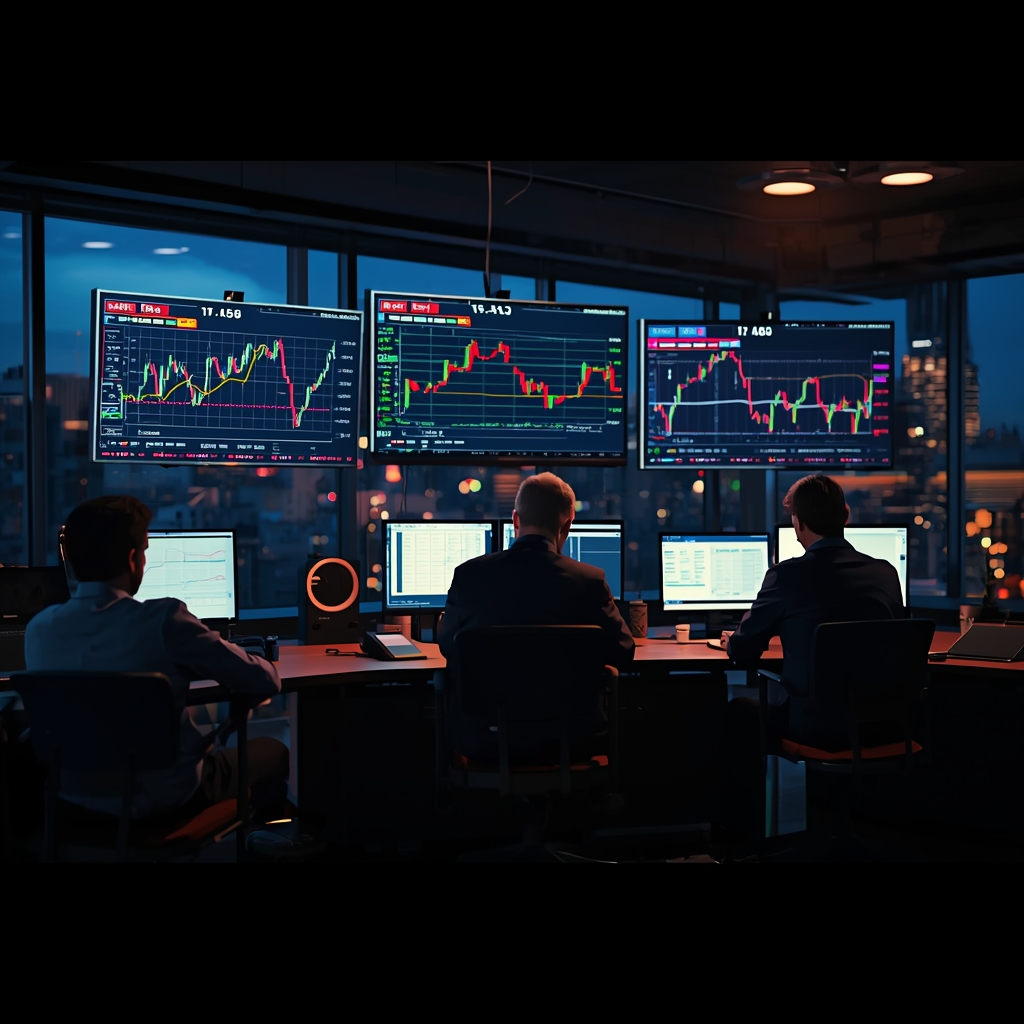
Perzix Daily Market Capsule: When Headlines Lose Their Pricing Power
Markets are still reacting to Middle East headlines—but with less conviction. The real shift is no

Perzix Daily Market Capsule: Why Markets Are Fading the Same Risk
Despite renewed shipping disruptions and stalled Iran talks, markets are showing signs of fatigue to
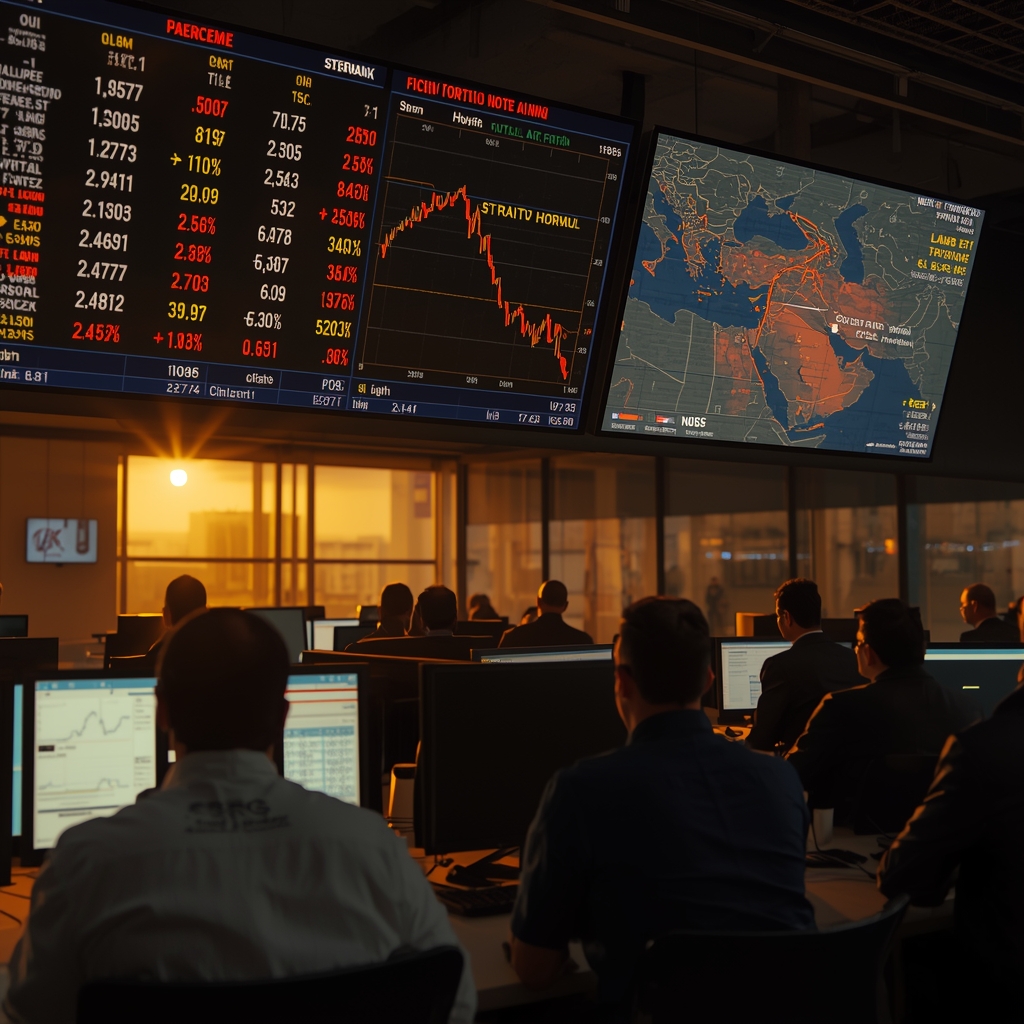
Perzix Daily Market Capsule: When Oil Breaks the Fear Feedback Loop
Falling oil prices and rising futures signal a shift: markets are no longer reinforcing geopolitical

Leave a Reply