

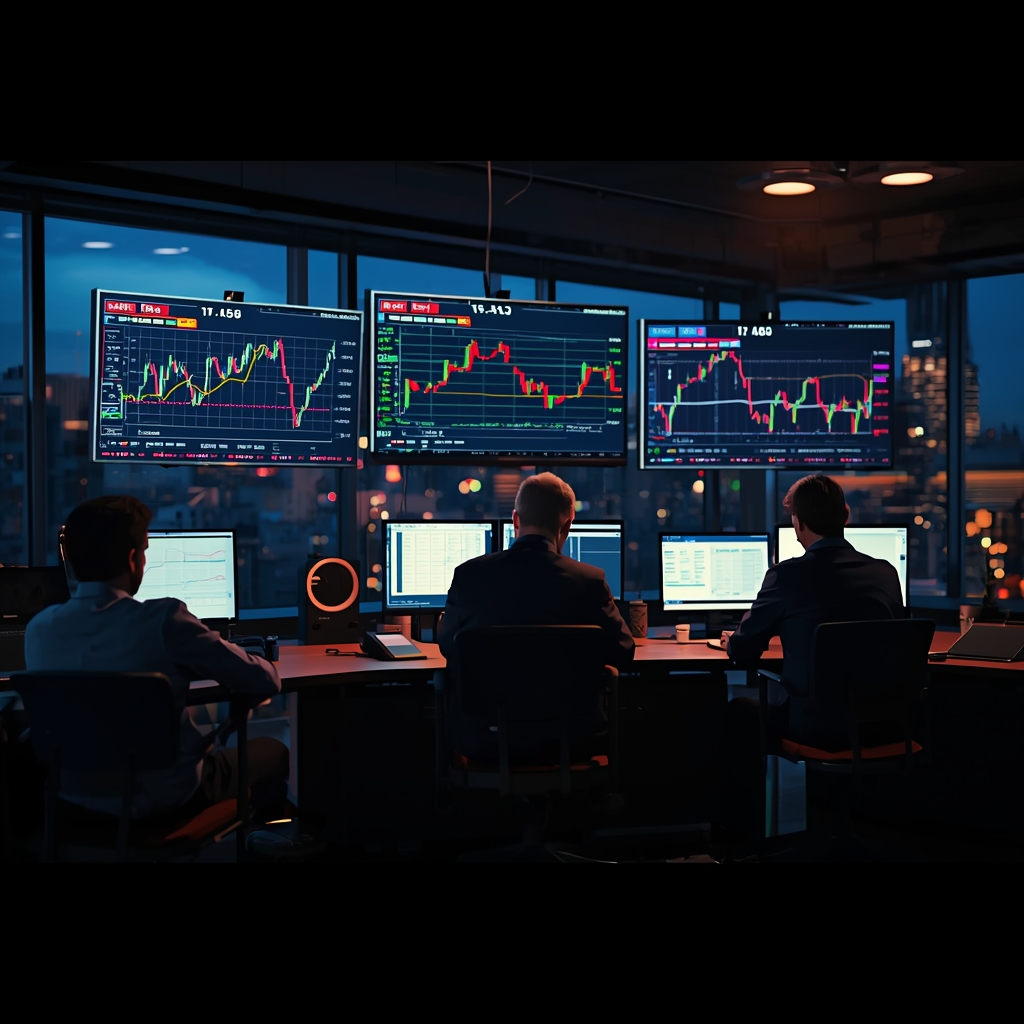
Perzix Daily Market Capsule: When Headlines Lose Their Pricing Power
The market is still listening to geopolitical headlines—but it is no longer believing them in the same way. That subtle shift is becoming the real signal.
Quick Take: Markets are reacting to geopolitical developments with shorter-lived moves, signaling that credibility—not just information—is now the key driver of pricing across oil, equities, and risk assets.
What Happened Today
Recent trading sessions have been dominated by rapid reversals tied to developments around a potential US–Iran de-escalation. Optimism around renewed negotiations pushed equities higher and oil lower, extending a strong run in tech-led indices. Yet similar headlines only days earlier had triggered the opposite reaction, with oil spiking and equities pulling back as ceasefire doubts resurfaced.
The pattern is not just volatility—it is inconsistency. The same category of news is producing diminishing and shorter-lived market reactions. Oil no longer holds gains, equities fade less aggressively, and cross-asset moves unwind faster than they did earlier in the month.
Even within equities, leadership remains concentrated in large-cap technology, suggesting that investors are participating in the upside without fully committing to a broad risk-on stance.
Politics Into Prices
The political story has not fundamentally changed: negotiations remain fragile, signals are mixed, and neither escalation nor resolution is fully priced in. What has changed is how markets process that uncertainty.
Earlier in the cycle, each headline carried a high implied probability of altering the geopolitical trajectory. That translated directly into oil price spikes, risk-off flows, and defensive positioning. Now, each new update is discounted more heavily.
The transmission mechanism has shifted from “headline → immediate repricing” to “headline → credibility filter → partial repricing.” Traders are asking not just what is being said, but how likely it is to hold.
This is why oil’s reaction function has softened and why equities can rally even as the underlying geopolitical situation remains unresolved. The market is pricing probability stability, not narrative intensity.
Why It Matters
This is the early stage of what can be described as narrative fatigue. Markets do not become less sensitive to risk; they become more selective about which signals deserve attention.
When credibility declines, volatility does not disappear—it compresses in duration. Moves still happen, but they reverse faster. That creates a different trading environment: less trend persistence, more mean reversion, and a higher penalty for overreacting to single headlines.
There is also a deeper implication. If geopolitical signals are losing marginal pricing power, other drivers—rates, earnings, and liquidity—will begin to reassert dominance. The market is effectively reallocating attention.
This transition phase is often misread as calm. In reality, it is a rebalancing of what matters.
Business / Investor Lesson
For executives and investors, the key shift is from reacting to information toward weighting credibility. Not all signals deserve equal action.
In practical terms, this means resisting operational or capital allocation decisions based on single-point geopolitical developments. Companies exposed to energy, logistics, or cross-border risk should focus on scenario ranges rather than headline triggers.
Investors face a similar adjustment. The opportunity is no longer in reacting first, but in reacting selectively. When markets begin to discount headlines more aggressively, mispricings tend to emerge in second-order effects—sector rotation, margin expectations, and capital flows—rather than in the obvious assets.
This is where disciplined frameworks, like those emphasized in Perzix research, become more valuable than rapid-fire positioning.
Term / Trend Focus
Credibility Premium: the degree to which markets assign value to the reliability of information, not just the information itself.
In high-uncertainty environments, credible signals command a premium—they move markets more and for longer. As credibility erodes, that premium shrinks. Prices may still react, but the follow-through weakens.
This concept helps explain why identical headlines can produce different outcomes over time. It is not the event that changed—it is the market’s belief in its durability.
Market Snapshot
Equities continue to grind higher, led by large-cap technology, suggesting selective risk appetite rather than broad conviction. Oil, meanwhile, is increasingly reactive but less directional, with gains fading as quickly as they appear.
Bond signals remain relatively stable, indicating that macro expectations have not materially shifted despite geopolitical noise. This reinforces the idea that markets are compartmentalizing risk rather than repricing it systemically.
Gold’s behavior appears more subdued than earlier spikes, while Bitcoin data is less clear in this snapshot, but the broader pattern suggests neither asset is capturing dominant safe-haven flows at the moment.
The cross-asset message: markets are still aware of risk, but they are no longer chasing it.
What Perzix Is Watching Next
The base case is continued headline-driven volatility with declining persistence, as negotiations produce intermittent optimism without resolution. Markets drift higher but remain sensitive to sudden credibility shocks.
The stress case would involve a clear breakdown in talks, restoring full geopolitical risk premium into oil and forcing a broader risk-off move across equities and credit.
The key invalidation signal is a sustained, multi-day trend in oil or equities driven by geopolitical developments alone. That would suggest credibility has returned and that markets are once again willing to price headlines at face value.
Until then, the real story is not what the headlines say—but how little they are starting to matter.
In this environment, understanding the difference between information and belief may be the most valuable edge available.
🇪🇸 Resumen en Español
Los mercados siguen reaccionando a los titulares geopolíticos, pero con menor convicción. La diferencia clave ya no es la información, sino su credibilidad. Noticias similares sobre negociaciones entre EE.UU. e Irán están generando movimientos opuestos que se desvanecen rápidamente, especialmente en petróleo y acciones. Esto refleja una “fatiga narrativa”, donde los inversores filtran señales en lugar de reaccionar automáticamente. El resultado es menor persistencia en tendencias y mayor reversión. Para empresas e inversores, la lección es priorizar escenarios y no titulares individuales. El mercado está cambiando de reaccionar rápido a reaccionar de forma selectiva.
🇨🇳 中文摘要
市场仍在对地缘政治新闻作出反应,但反应的持续性明显减弱。关键变化不在于信息本身,而在于其可信度。围绕美伊关系的类似消息,近期却引发方向相反且迅速回落的市场波动,尤其体现在油价和股市中。这表明市场进入“叙事疲劳”阶段,投资者开始筛选信息,而非立即定价。结果是趋势更短、反转更多。对企业和投资者而言,应减少对单一新闻的依赖,转向情景分析。当前市场的核心转变,是从快速反应走向有选择的反应机制。
🇷🇺 Краткое резюме
Рынки продолжают реагировать на геополитические заголовки, но с меньшей уверенностью. Ключевое изменение — не в самих новостях, а в их достоверности. Похожие сообщения о переговорах США и Ирана вызывают разнонаправленные движения, которые быстро затухают, особенно в нефти и акциях. Это признак «усталости от нарратива»: инвесторы фильтруют информацию, а не реагируют автоматически. В результате тренды становятся короче, а развороты — чаще. Для бизнеса и инвесторов это означает необходимость опоры на сценарии, а не на отдельные новости. Рынок смещается от скорости реакции к ее избирательности.
🇸🇦 ملخص بالعربية
لا تزال الأسواق تتفاعل مع الأخبار الجيوسياسية، لكن بدرجة أقل من الثقة والاستمرارية. التغير الأساسي ليس في الأخبار نفسها بل في مصداقيتها. التطورات المتشابهة بشأن العلاقات بين الولايات المتحدة وإيران أدت إلى تحركات متعاكسة وسريعة التلاشي في النفط والأسهم. هذا يعكس ما يسمى “إرهاق السرد” حيث يبدأ المستثمرون في تصفية الإشارات بدلاً من التسعير الفوري. النتيجة هي اتجاهات أقصر وتقلبات أكثر انعكاسًا. بالنسبة للشركات والمستثمرين، من الأفضل التركيز على السيناريوهات بدلًا من ردود الفعل السريعة على الأخبار. السوق يتحول من سرعة الاستجابة إلى دقة الاختيار.
🇫🇷 Résumé en Français
Les marchés réagissent toujours aux titres géopolitiques, mais avec une conviction plus faible. Le changement clé concerne la crédibilité de l’information, et non l’information elle-même. Des nouvelles similaires sur les négociations entre les États-Unis et l’Iran provoquent des mouvements opposés qui s’estompent rapidement, notamment sur le pétrole et les actions. Cela reflète une « fatigue narrative », où les investisseurs filtrent davantage les signaux. Les tendances deviennent plus courtes et les retournements plus fréquents. Pour les entreprises et investisseurs, il devient essentiel de privilégier les scénarios plutôt que les réactions immédiates aux titres.

Perzix Daily Market Brief: The Signal Beneath the Waiting Game | “10 5, 2026”
The clearest signal is not a dramatic new move but a market waiting for confirmation. Sticky yields,

Perzix Daily Market Brief: The Policy Cushion Beneath the Rally | “06 14, 2026”
Risk appetite improved as oil retreated on renewed Iran de-escalation hopes and equities extended th

Perzix Daily Market Brief: The Squeeze Beneath the Fed Pause | “09 7, 2026”
The latest market signal is not simply that Bitcoin rallied or that shorts were forced out. It is th

Leave a Reply